Welding Pot metal VS. Soldering
The Differences Between Pot Metal Welding Verses Soldering Explained
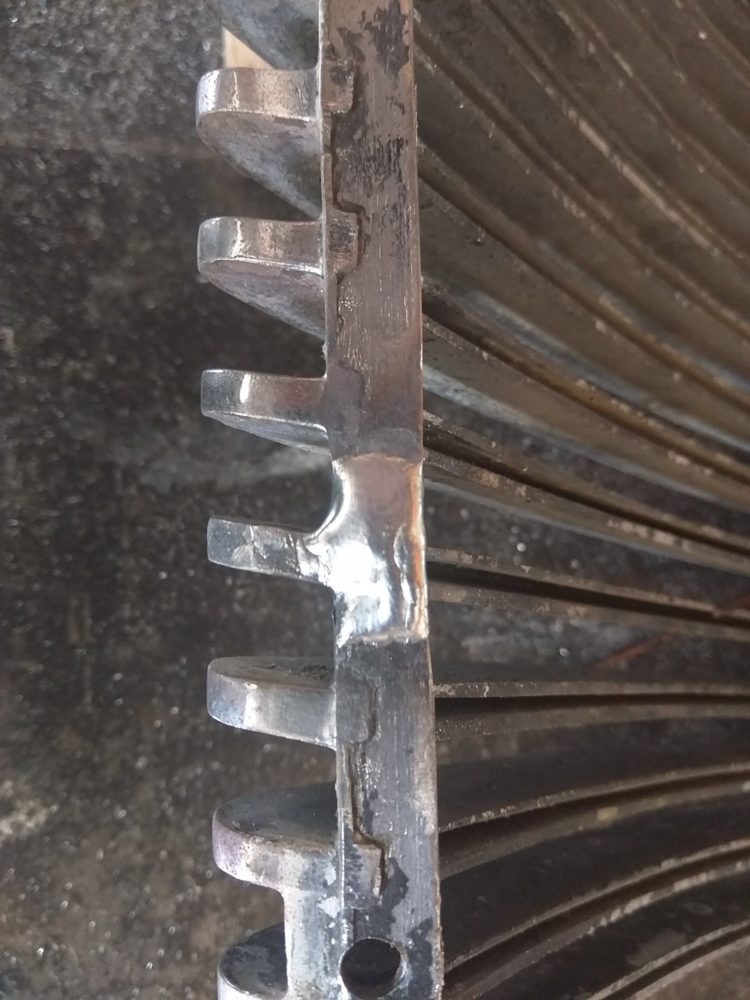
Welding Pot Metal Vs. Soldering It
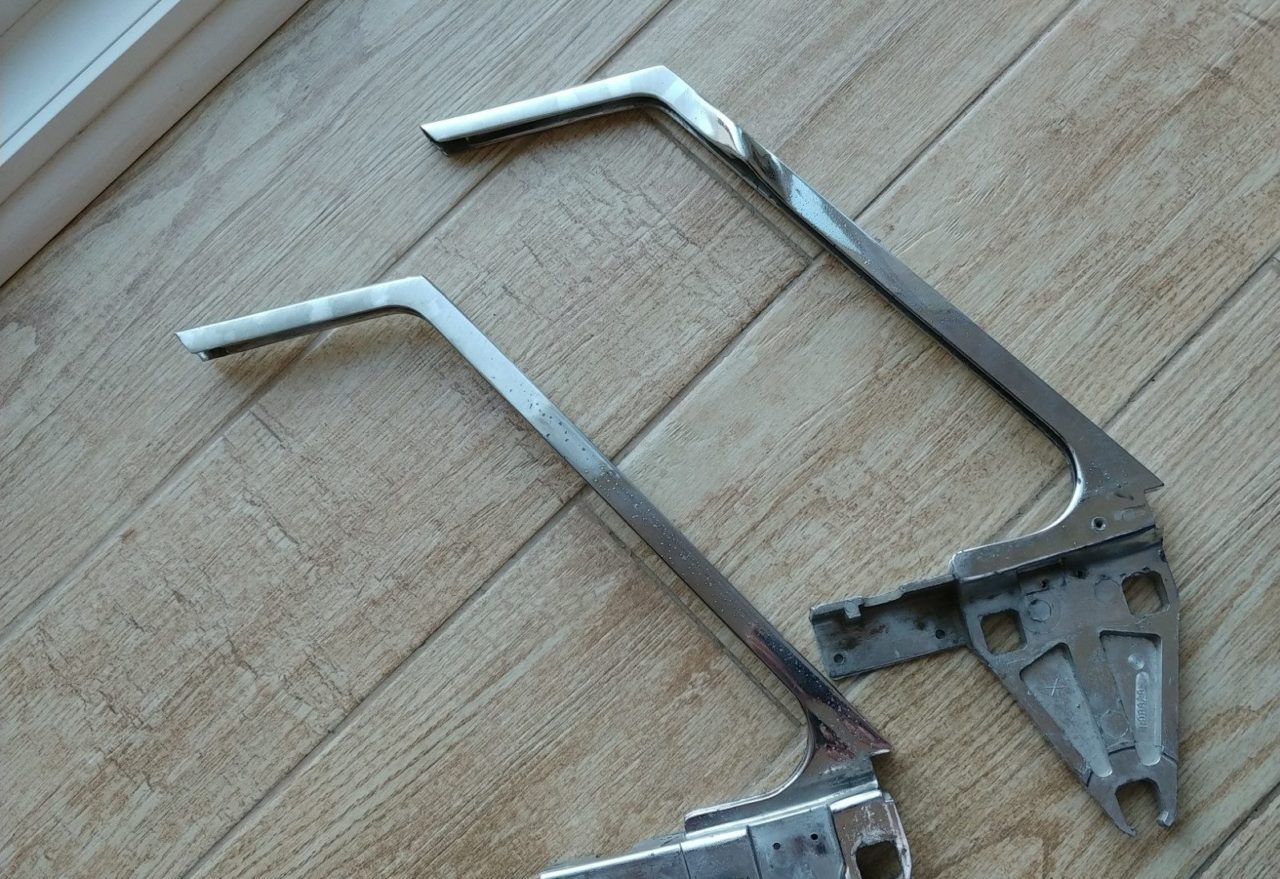
If your pot metal part is exposed to vibration or mechanically interfaces with another part such as a window crank, claimant control lever, distributor, carburetor, headlamp bucket, grille, wing window frame, emblem hood ornament, etc. you're better off with a welded repair.
Solder has its place, but but a welded repair is the only one we feel comfortable backing with out 100% guarantee.
Soldering Or Welding Pot Metal
Which One Is Better?
When it comes to repairing pot metal, the right method depends on the part, the damage, and what the finished repair needs to be able to withstand.
Soldering can be useful for certain applications, but for restoring broken, cracked, corroded, or otherwise damaged pot metal castings, welding provides a fundamentally different caliber of repair.
If you're unfamiliar with these concepts, solder uses a separate filler material to create a surface bond, which is how it joins pieces together. The filler melts at a much lower temperature than the casting itself, meaning that the base metal of the part, antique, etc. is not fused. However, the low melting point of the filler material means that pieces can be can be joined relatively easily, and with little risk if done correctly.
Truthfully, when it comes down to it, solder is a fine method for repairing decorative pieces, electronics, and plumbing.
Welding is a different approach entirely. The base metal at the broken or cracked joint is fused and incorporated into the repair, creating one, continuous piece rather than relying on low-temperature filler to hold the pieces together.
This distinction becomes especially important when working with older, more corroded pot metal parts.
Many parts and antiques have already spent decades exposed to heat, vibrations, corrosion, chemicals/solvents, and mechanical stress. A repair method that performs perfectly on a clean, undamaged casting will likely produce less than desirable results on an old, deteriorated part.
What about replating?
This is one of the most important considerations you must address when repairing antique pot metal components.
Before a part can be replated, the existing finish needs to be stripped, and a considerable amount of prep-work has to be done. Stripping, polishing, copper plating, nickel plating, chrome plating, and the handling involved in each one of those steps all place additional demands on the repair.
When choosing solder as your repair method, you are introducing another material into the casting that must be dealt with during the plating process. Depending on the solder and the craftsmanship of the work, this can create additional complications for the platers, and cost you more money.
A properly executed, welded repair avoids introducing sections of low-temperature filler material into the casting, which reduces the complexity involved with replating, while increasing durability.
What if I try soldering first?
"If I try soldering my pot metal parts first, and the repair fails, can you still weld it?"
Absolutely!
We will never blame anyone for trying, because that's how we got started.
However, if a part had previously been soldered, please let us know before sending it to us.
Solder can change the way zinc die-cast alloys (pot metal) behaves during the repair process, and knowing what has already been done allows us to evaluate the part properly before starting work on your project.
In most cases, this is a non-issue and we can go about our business as usual, but the more we know about your part, the easier the job tends to go.

Pot Metal Welding
- As strong, and often stronger, than the base metal
- Hassle free to re-plate
- More tolerant to heat generated by repeated buffing and grinding
- Cracks and breaks are fused, rather than stuck together with a surface bond.
- More difficult to perform
- Comes backed by our 100% guarantee
Pot Metal Soldering
- Quick
- Performed with small propane torch
- Great for quick repairs if strength isn't an issue
- Less durable
- Requires special treatment that drives up the cost of re-plating
- Comes with a Release of Liability
The Man Behind The Work
James Ruther Sr.
James Ruther
Expert in Pot Metal Welding, Modification and Fabrication.
Happy Customers

"Hi James, I received the part back today. Job well done! I'm very pleased with the work! I referred your name to the body man that is working on my car and he said he would send work your way when he had the need for pot metal welding.
Thanks again."
Dennis M.
"...I’m more than pleased. And although I don’t hope to have damaged pot metal pieces in the future, if and when I do, without a doubt, I will contact James with confidence assured that his work will be worth the time and investment." Read Full Testimonial...
Tim & Jamie Saloff Antiques
Tim Saloff
Full Service Pot Metal Repair
Satisfaction Guaranteed
